

If your business invested in research and development between 2022 and 2024, whether through developing software, designing new products, improving manufacturing processes, creating prototypes, conducting testing, or solving technical challenges, you may have generated Qualified Research Expenses (QREs) that are eligible for R&D tax benefits.
The OBBBA created a temporary opportunity for qualifying businesses to revisit how those R&D-related tax benefits were treated on previously filed tax returns.
Under normal tax rules, decisions involving a Section 280C election become irrevocable once a tax return has been filed. Businesses generally cannot go back and change these elections after the filing deadline, even if later tax law changes make a different election more beneficial.
However, the OBBBA temporarily suspends that restriction, effectively providing a one-time opportunity to review and potentially amend prior-year filings for the 2022, 2023, and 2024 tax years.
This means businesses that previously claimed R&D tax credits or were eligible to claim them may now be able to reassess their Section 280C election and determine whether a different approach would produce a more favorable tax outcome.
The opportunity remains available only until July 6, 2026. After that date, businesses will generally lose the ability to make these retroactive adjustments, making it important to evaluate eligibility well before the deadline arrives.
Who qualifies for this, and what does the July 6th, 2026, deadline actually mean?
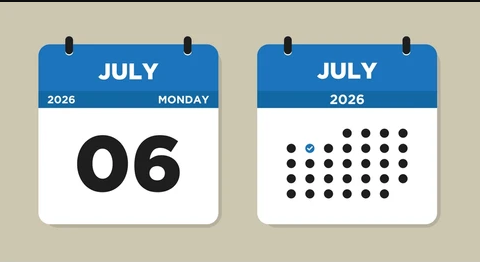
On July 6, 2026, the deadline for taking advantage of this new provision will expire. Specifically, this is the final date by which companies will be able to retroactively amend their treatment of R&D tax deductions for 2022, 2023, and 2024 tax years as permitted by the One Big Beautiful Bill Act (OBBBA). To clarify, under the normal rules for tax filing, once your tax returns are filed for any particular year, the decision concerning the Section 280C election made in the tax returns becomes irrevocable and set in stone.
Who Is Eligible for This Unexpected Benefit?
For your business to become eligible for this opportunity for a special tax filing, you should meet the following requirements:
Incurred QREs: Your company incurred QREs (costs for salaries of software developers, costs of creating engineering prototypes, and costs of conducting clinical trials) in 2022, 2023, or 2024.
Filed Prior Returns: You filed your tax returns for 2022, 2023, or 2024, without optimizing your Section 280C election under new and tougher rules for R&D capitalization.
Whether you are a venture-backed tech startup, a commercial manufacturer, or an agricultural innovator, if you spent capital developing new products or processes, this window is open to you.
The Strategy: The importance of section 280C right now
In order for us all to see how much of a huge success this is, we must first understand how Section 280C will affect your taxes with its changes.
Previously, to be able to claim an R&D credit, you would be required to deduct from your total business expenses; however, according to Section 280C, you are allowed to take a reduced credit, thus protecting the full amount of your total deductions. Before the shift in legislation requiring businesses to capitalize and amortize R&D related expenses for five years instead of deducting them immediately, there were multiple CPA calculations during 2022 and 2023 that no longer applied as of last year due to these new legislative changes. Now, due to the OBBBA allowing citizens an opportunity to retroactively change their election regarding 280C, your engineering and/or finance team will be able to recalculate and find the exact calculation that will give you the greatest minimization of taxes possible or the best possible refund in a matter of weeks.
Why Businesses Must Take Action Now
For the majority of businesses, the OBBB Act is an opportunity not just to amend previously submitted tax returns but to recover previously invested capital that can now be used by the business at present. The organizations within the OBBB account have continued to increase their hiring of software engineers, product designers, R&D, and other related positions from 2022 through 2024, and were able to develop prototypes, as well as improve processes, create testing environments, and invest in advanced technological solutions while dealing with rapidly changing tax laws.
When these decisions were made, the finance departments of most organizations used the data available at the time to make an appropriate Section 280C election for the company. Given that many of these decisions were made based on the information available at the time of decision-making through 2024, there is a very good chance that, in hindsight, the tax election made may no longer be in the best interest of the company.
In fact, the opportunity to revisit and amend these elections represents an extremely valuable opportunity for the organization.
For many organizations, recalculating your R&D credit strategy will lead to considerable refunds. For many organizations, amending past Section 280C elections will improve or reduce the company’s future tax liability or improve the company’s cash flow outlook as it approaches the next fiscal year. Regardless of how the amended Section 280C elections impact the company’s bottom line, it is a very rare opportunity for the company to recover value from prior investments made by the company.
How Can Private Tax Solutions Help?
Although OBBBA provides an amazing opportunity for many companies to save money through tax planning, knowing whether or not you qualify for this and other tax solutions is quite complicated and involves the analysis of previous Section 280C elections, which requires some tax knowledge and skills. This is where Private Tax Solutions is ready to help you.
Our R&D tax credit services include the following:
Comprehensive Eligibility Reviews: We assess your research and development activities from 2022, 2023, and 2024 to determine whether your projects qualify for R&D tax credits and OBBBA-related relief opportunities.
Section 280C Election Analysis: Our specialists then evaluate your existing Section 280C election and model alternative scenarios to determine whether amending your election could generate additional tax savings or larger refunds.
Qualified Research Expense (QRE) Identification: We help identify and document eligible expenses, including employee wages, contractor costs, software development expenses, engineering activities, testing, and prototype development costs.
Return Support: Our team assists with preparing the calculations and supporting documentation needed to amend prior-year tax returns accurately and efficiently before the July 6 deadline.
Audit-Ready Documentation: Strong documentation is critical for defending R&D tax credit claims. We help organize and substantiate your qualifying activities to ensure compliance with IRS requirements.
Conclusion: Act now before the window shuts down.
The deadline to take advantage of this opportunity is July 6, 2026, and businesses should not expect an extension. After this date, eligible companies may lose the chance to revisit certain Section 280C elections made on their 2022, 2023, and 2024 tax returns. For many businesses, that could mean missing out on valuable tax savings, refunds, or improved cash flow.
If your company invested in software development, product innovation, engineering, testing, or other qualifying R&D activities during these years, now is the time to review your options. Acting before the deadline could help you maximize available tax benefits and avoid leaving money on the table.
FAQs: Frequently Asked Questions
Question 1. What exactly is a Section 280C election, and why does the OBBBA change it?
Answer. Normally, claiming the R&D tax credit requires you to reduce your regular business expense deductions by the amount of the credit. Section 280C allows businesses to elect a reduced credit instead, which protects their full deductions. Because recent tax laws forced businesses to capitalize and amortize R&D costs over 5 years, many previous 280C choices became financially disadvantageous. The OBBBA provides a unique, temporary window to retroactively fix or change this choice for the 2022–2024 tax years to maximize cash flow.
Question 2. My company already filed tax returns for 2022 and 2023. Can we really change them?
Answer. Yes. Under normal tax rules, a Section 280C election is permanent and irrevocable once filed. However, the One Big Beautiful Bill Act (OBBBA) explicitly suspends this rule until July 6, 2026. This gives eligible companies a historic “reset button” to amend those specific prior-year returns and optimize their filings based on hindsight.
Questions 3. What is the absolute final date to submit these amended filings?
Answer. The absolute final deadline to take advantage of this relief is July 6, 2026. Because this date falls immediately after the July 4th holiday weekend, processing bottlenecks are expected. Any amendments or election changes submitted after this date will be legally invalid under the OBBBA provisions.
Question 4. Does our company qualify if we are a startup and not yet profitable?
Answer. Absolutely. Startups and pre-revenue companies frequently generate significant Qualified Research Expenses (QREs) through software development, engineering, and prototyping. Optimizing your Section 280C election can drastically reduce your future tax liabilities or alter how your tax credits carry forward, preserving vital runway and liquidity for your business.
Question 5. How long does it take Private Tax Solutions to review our eligibility and file?
Answer.While our team moves with extreme urgency, modeling prior-year tax scenarios and identifying precise QREs requires deep technical analysis. Because documentation must be audit-ready, it is vital to begin the process immediately. Waiting until the week of the deadline may leave your company exposed to processing delays, so contact us today to lock in your review.
