Donald Hayden | Business Growth-Focused Finance Strategist

12 May 2026
income-tax-return-deduction-refund-concept-1-1280x937.jpg

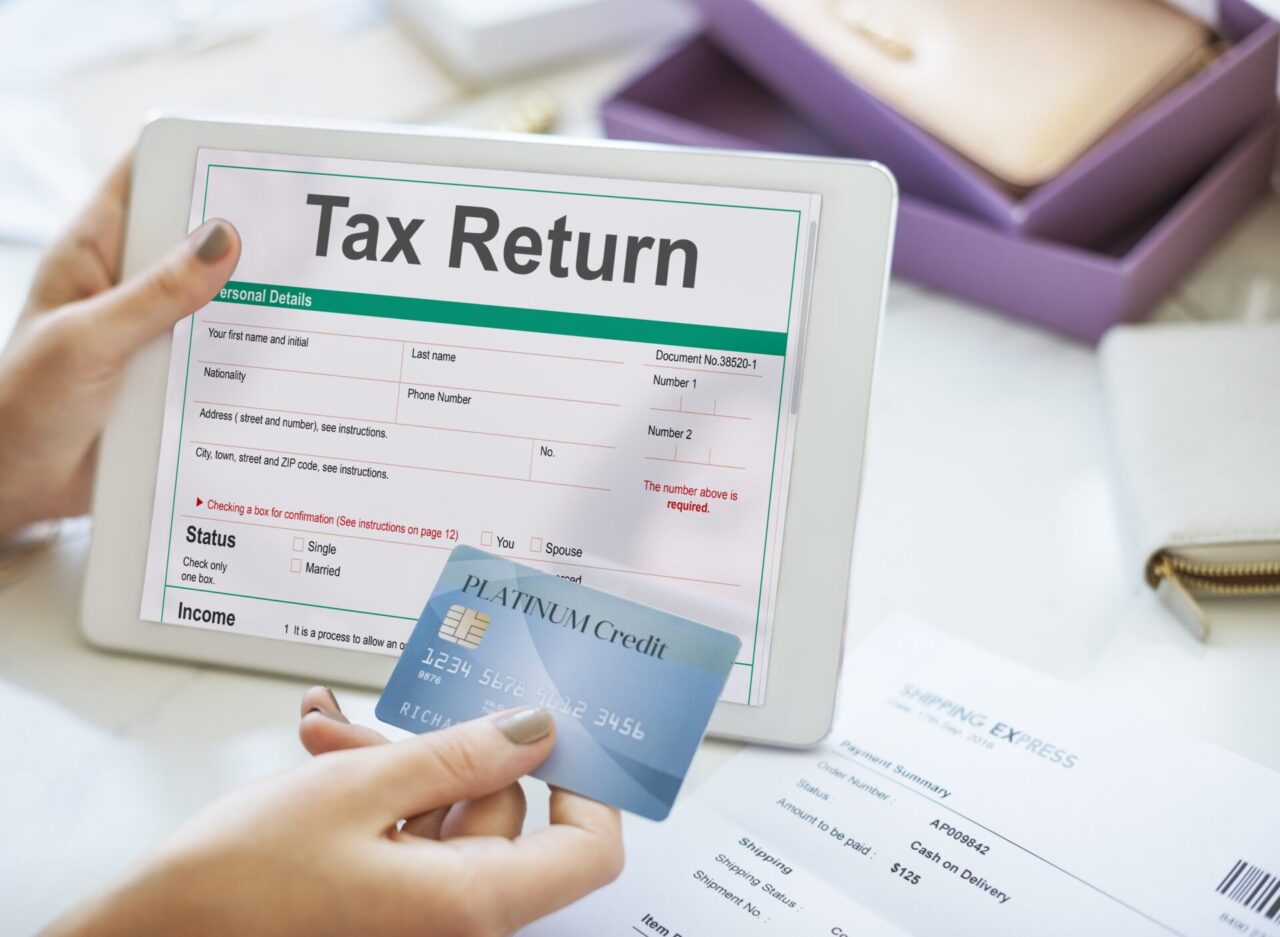
Millions of Americans may be entitled to refunds on penalties and interest charged during the COVID-19 disaster period (Jan 2020–May 2023), after court rulings suggested the IRS may have applied deadline rules incorrectly. Eligible taxpayers who paid late-file, late-pay, or estimated tax penalties during this window can file a claim using IRS Form 843. The deadline to file is July 10, 2026, so it's worth checking IRS account transcripts now. Read More



12 May 2026
How-Smart-CEOs-Run-Their-Company-Finances-A-Trusted-Framework-1280x853.jpg

Choosing where to retire can be just as important as how much you save tax-free states that don't tax Social Security, pensions, or retirement account withdrawals can significantly lower how much you need. Mississippi requires the least savings at around $730,000, while states like Florida and New Hampshire despite having no income tax require closer to $950,000–$960,000 due to higher living costs, insurance, and property taxes. The smartest retirement decision compares tax advantages against total cost of living, not just income tax rates alone. Read More


11 May 2026
pexels-mikhail-nilov-6963053.jpg

The IRS raised the 2026 business mileage rate to 72.5 cents per mile the highest ever set reflecting increased vehicle ownership costs like fuel, maintenance, and depreciation. Medical and qualifying moving expense rates dipped slightly to 20.5 cents per mile, while the charitable driving rate holds steady at 14 cents per mile. Self-employed individuals and small business owners benefit most, as employees generally cannot deduct unreimbursed business mileage under current tax law. Read More


15 Apr 2026
retirement-plan-form-investment-senior-adult-concept-2-1280x959.jpg

Most retirees don't spend as much as they safely could. On average, retired couples withdraw just 2.1% of savings annually and singles only 1.9%, well below the recommended 4% rule, largely due to fear of running out and decades-old saving habits. Simple strategies like treating withdrawals as a steady "paycheck" and reviewing your plan yearly can help you spend with more confidence in retirement. Read More